
shell
ผู้เยี่ยมชม
benducket3211@gmail.com
Is a Wall Mounted Pressure Washer the Perfect Solution for Powerful and Convenient Cleaning? (7 อ่าน)
29 ต.ค. 2569 16:46
A clean home, garage, driveway, and outdoor space can make a significant difference in the appearance and maintenance of a property. However, traditional cleaning methods often require considerable time, effort, and water. A Wall Mounted Pressure Washer offers a convenient solution by combining powerful water pressure with a space-saving design. Unlike conventional pressure washers that need to be moved and stored after every use, a wall-mounted model stays in a fixed location, providing easy access whenever cleaning is required.
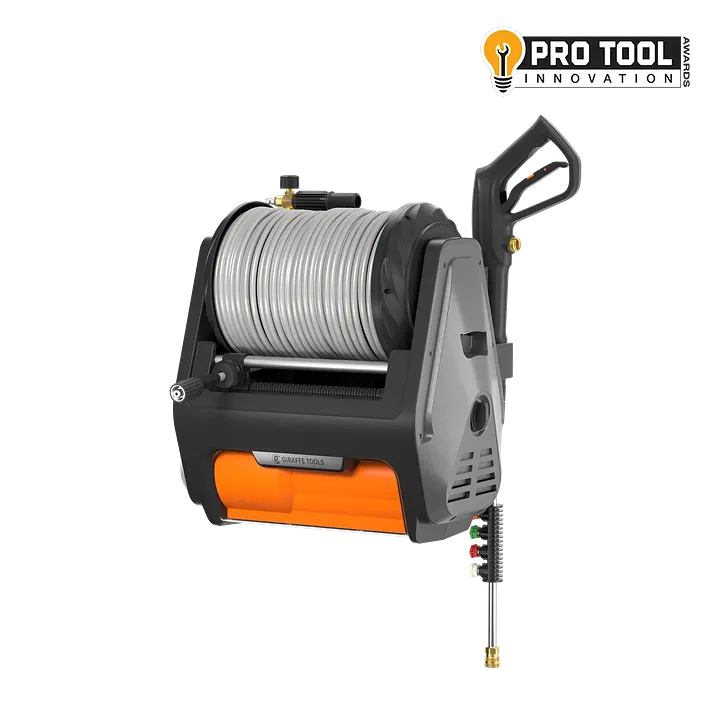
Wall-mounted pressure washers are becoming increasingly popular among homeowners, car enthusiasts, workshop operators, and commercial property owners. These machines are designed to remove stubborn dirt, mud, grease, and grime from different surfaces while keeping cleaning equipment organized. Their compact installation makes them particularly useful in garages, utility rooms, car washing areas, and outdoor cleaning stations.
Whether you need a reliable pressure washer for washing vehicles, cleaning garden furniture, maintaining patios, or removing dirt from concrete surfaces, a wall-mounted system can offer a practical combination of performance and convenience. Understanding its features, benefits, applications, and maintenance requirements can help you choose the right pressure washing equipment for your needs.
Wall Mounted Pressure Washer Features and Benefits
A Wall Mounted Pressure Washer is a cleaning machine designed to be securely installed on a suitable wall or mounting structure. It typically includes a high-pressure pump, motor, water connection, spray gun, hose, and mounting hardware. Depending on the model, it may also feature an integrated hose reel, adjustable spray settings, detergent application, and storage compartments for accessories.
One of the biggest advantages of a wall-mounted pressure washer is its space-saving construction. Traditional pressure washers often occupy valuable floor space in garages, workshops, and storage areas. A wall-mounted unit keeps the main equipment elevated and organized, leaving more room for vehicles, tools, and other essential items. This arrangement can also reduce clutter and make the cleaning area look more professional.
Convenience is another important benefit. When a pressure washer is permanently installed near a water supply and an appropriate power source, users can prepare for cleaning without moving a heavy machine around. This is especially helpful for people who regularly wash cars, motorcycles, bicycles, outdoor equipment, and garden tools. A well-positioned unit allows users to access the equipment quickly and begin cleaning with less setup time.
Cleaning performance depends on the machine's water pressure, flow rate, motor power, pump design, and available accessories. Some models are suitable for light household cleaning, while more powerful systems can handle frequent vehicle washing and demanding outdoor maintenance. Choosing the correct pressure and water flow is essential because delicate surfaces may require lower pressure, whereas durable concrete and heavily soiled outdoor areas may need stronger cleaning performance.
Many wall-mounted pressure washers include a high-pressure hose reel that makes storage easier. Instead of leaving the hose tangled on the floor, users can keep it neatly arranged after every cleaning session. Integrated hose management also helps reduce trip hazards and protects the hose from unnecessary damage. Depending on the model, additional accessories may include foam cannons, rotating brushes, extension wands, and different spray nozzles.
Durability is another factor worth considering. Quality pressure washing equipment is designed to withstand regular use, but the lifespan of a machine depends on its construction, operating conditions, and maintenance. A strong mounting bracket, reliable pump, corrosion-resistant components, and suitable hose connections can contribute to long-term performance. Before installation, users should confirm that the wall and mounting hardware can safely support the unit.
Wall Mounted Pressure Washer Applications for Home and Commercial Cleaning
A wall-mounted pressure washer can be useful for a wide range of cleaning tasks around residential and commercial properties. One of its most common applications is vehicle washing. Car owners can use a garage-mounted pressure washer to rinse away dust, road grime, mud, and loose dirt before applying car shampoo. With an appropriate nozzle and safe pressure setting, the equipment can help clean wheels, tires, lower body panels, and other exterior surfaces.
For people who wash their vehicles regularly, a dedicated car wash pressure washer can make the process more convenient. Keeping the equipment installed in one location reduces the need to transport a portable machine from a storage area. A suitable hose length also allows users to reach different sides of a vehicle without repeatedly repositioning the equipment.
Outdoor surface cleaning is another popular application. Patios, walkways, concrete floors, garden paths, and suitable driveway surfaces can accumulate dirt, algae, and other deposits over time. A pressure washer can help loosen these contaminants and restore a cleaner appearance. However, the correct nozzle and pressure setting should always be selected according to the surface material. Excessive pressure may damage painted finishes, soft wood, loose grout, or delicate stone.
Homeowners can also use a wall-mounted pressure washing system to clean garden furniture, outdoor bins, fences, and selected garden tools. Different surfaces require different cleaning approaches, so testing a small, inconspicuous area before cleaning the entire surface is a sensible precaution. Detergents should be compatible with both the machine and the material being cleaned.
In commercial environments, wall-mounted pressure washers can support cleaning activities in workshops, vehicle maintenance facilities, agricultural buildings, and designated washing bays. Businesses that regularly clean equipment may benefit from having a dedicated washing station with organized hose storage and convenient water access. The appropriate commercial pressure washer should be selected according to its expected workload, operating duration, water requirements, and maintenance needs.
A wall-mounted system can also be useful in compact spaces where floor-mounted equipment would interfere with movement. Garages and small workshops often contain workbenches, storage cabinets, tools, and vehicles, leaving limited room for additional machinery. Mounting the pressure washer on a suitable wall can make better use of the available space while keeping the equipment accessible.
Despite these advantages, not every cleaning environment is suitable for a permanently mounted unit. People who need to clean several distant locations may prefer a portable pressure washer. A wall-mounted model is generally most practical when cleaning activities take place regularly within a defined area and the installation can provide safe access to water and electricity.
Choosing and Maintaining a Wall Mounted Pressure Washer
Selecting the right Wall Mounted Pressure Washer begins with understanding your cleaning requirements. A household user who mainly washes a car and cleans garden furniture may not need the same performance level as a commercial operator responsible for frequent equipment washing. Evaluating the intended applications before purchasing can help prevent spending money on unnecessary power or choosing a machine that cannot handle regular workloads.
Water pressure is an important specification, but it should not be the only factor in the decision. Flow rate also affects cleaning performance because it determines how much water passes through the machine over a given period. A pressure washer with an appropriate balance of pressure and flow can remove dirt efficiently while supporting the cleaning tasks for which it was designed.
The power source is another consideration. Electric pressure washers are commonly used for residential and workshop applications because they can be convenient for regular cleaning. However, the electrical supply must match the manufacturer's requirements. The machine should be installed in an appropriate location protected from unsuitable weather exposure, and electrical connections must be suitable for wet environments. A qualified professional should handle electrical installation when necessary.
Hose length and reel quality also deserve attention. A longer hose may provide greater flexibility around vehicles and outdoor surfaces, while a reliable reel can simplify storage. Buyers should confirm that the hose can reach the intended cleaning area without stretching, creating excessive tension, or interfering with walkways. Accessory compatibility is equally important because different nozzles and cleaning attachments can expand the machine's usefulness.
Proper installation plays a major role in safety and long-term reliability. The mounting surface must be strong enough to support the machine, and the mounting hardware must be suitable for the wall material. The unit should be positioned where users can reach its controls comfortably and where the hose can be handled without creating unnecessary hazards. Water connections should be secure, and the manufacturer's instructions regarding ventilation, drainage, and electrical protection should be followed.
Regular maintenance helps preserve cleaning performance. Inspect the high-pressure hose, water inlet, connectors, spray gun, and mounting hardware for visible damage or signs of wear. Clean or replace filters according to the manufacturer's recommendations, and check that nozzles remain free from blockages. If the machine develops unusual noises, leaks, excessive vibration, or reduced pressure, stop using it and investigate the problem according to the manufacturer's guidance.
Cold weather also requires attention. Water left inside the pump, hose, or other components can freeze and cause damage. Follow the manufacturer's instructions for draining, storing, and protecting the machine when temperatures may fall below freezing. Similarly, use only compatible detergents and avoid operating the pressure washer outside its recommended limits.
Safety should remain a priority during every cleaning session. High-pressure water can injure skin and damage surfaces, so the spray should never be directed toward people or animals. Appropriate eye protection and footwear are advisable, and users should avoid spraying electrical equipment, unprotected connections, or areas where water could create a hazard. Always disconnect the power supply as directed before performing maintenance.
Conclusion
A Wall Mounted Pressure Washer is a practical cleaning solution for homeowners, vehicle enthusiasts, workshops, and businesses that need convenient access to pressure washing equipment. Its fixed installation, compact design, organized hose storage, and reliable cleaning capabilities can make routine maintenance easier while helping keep garages and work areas free from unnecessary clutter.
The best wall-mounted pressure washer depends on the intended cleaning tasks, required pressure, water flow, hose length, available installation space, and expected frequency of use. Choosing a suitable model and installing it correctly can improve convenience and support consistent cleaning performance. Regular inspection, appropriate maintenance, and safe operating practices are equally important for protecting both the equipment and the surfaces being cleaned.
43.242.176.100
shell
ผู้เยี่ยมชม
benducket3211@gmail.com