
shell
ผู้เยี่ยมชม
benducket3211@gmail.com
Can the Right Trail Running Shoe Improve Your Comfort, Stability, and Performance on Every Outdoor Adventure? (36 อ่าน)
3 ส.ค. 2569 15:52
Trail running is an exciting way to enjoy nature while challenging your endurance, balance, and running ability. Unlike ordinary road running, trail running takes place on natural surfaces such as dirt paths, rocky tracks, muddy routes, forest trails, hills, and uneven terrain. Because these surfaces can change quickly, choosing the right trail running shoe can make a major difference in comfort, stability, traction, and overall performance.
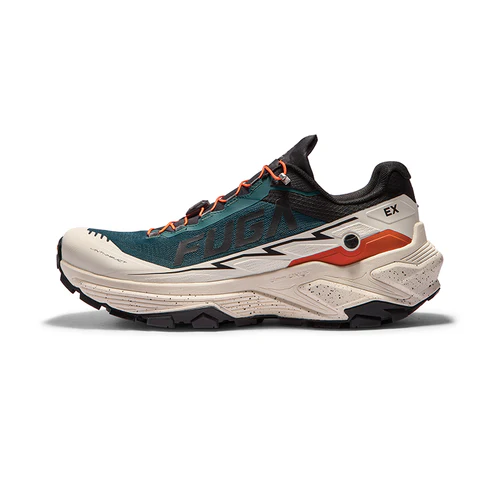
A quality trail running shoe is specifically designed to handle outdoor conditions that regular running shoes may not be prepared for. Features such as aggressive outsole patterns, durable materials, protective construction, responsive cushioning, and improved grip help runners move confidently across different types of terrain. Whether you are an experienced trail runner or someone preparing for a first off-road adventure, understanding the important characteristics of trail running footwear can help you make a smarter choice.
The growing popularity of trail running has also increased interest in specialized footwear. Searches for terms such as best trail running shoes, trail running shoes for beginners, lightweight trail running shoes, waterproof trail running shoes, shoes for rocky trails, off-road running shoes, hiking and trail running shoes, and durable trail running footwear show that runners are looking for shoes that combine comfort with dependable outdoor performance.
Trail Running Shoes and Their Outdoor Advantages
A trail running shoe is built differently from a conventional road running shoe because it is designed for unpredictable outdoor surfaces. Road shoes generally focus on smooth movement over paved surfaces, while trail shoes are developed with features that help runners deal with rocks, roots, loose dirt, mud, slopes, and other natural obstacles.
One of the most important features of trail running footwear is traction. The outsole normally uses a specialized tread pattern that can provide better grip on dirt, gravel, wet ground, and uneven trails. Strong traction is particularly useful when a route includes steep climbs or descents, where maintaining a stable connection with the ground becomes increasingly important.
Durability is another major advantage. Natural trails can expose shoes to stones, branches, moisture, dust, and rough surfaces. A well-constructed trail running shoe uses materials that are intended to withstand these conditions while maintaining comfort during longer runs. Reinforced areas around the toe and upper can also provide additional protection from accidental contact with rocks and other trail obstacles.
Trail shoes can also offer useful stability features. Uneven ground requires the runner to make constant adjustments, so a stable shoe can help create a more controlled feeling underfoot. Depending on the model, trail running shoes may include supportive midsoles, protective plates, structured uppers, or wider platforms designed for different types of outdoor terrain.
Cushioning is also important, particularly for runners who spend a significant amount of time on hard or rocky trails. Modern trail running shoes are available with different levels of cushioning, ranging from minimal and flexible designs to highly cushioned models designed for longer-distance trail running. The best option depends on the runner's preferences, experience, route, and running style.
Choosing a Trail Running Shoe for Different Terrain
Different trails require different characteristics from running footwear. A smooth dirt path may not require the same aggressive grip as a muddy mountain route. For this reason, selecting a trail running shoe according to terrain can improve the overall outdoor experience.
For relatively easy and maintained trails, lightweight trail running shoes can be a practical option. These shoes often provide a balance between flexibility, cushioning, and traction without feeling excessively heavy. They can be suitable for runners who regularly move between paved roads and dirt paths.
Rocky and technical trails require more protection and stability. A shoe designed for technical terrain may feature a stronger outsole, enhanced toe protection, and additional underfoot protection. These characteristics can make a noticeable difference when running over sharp rocks, roots, and uneven ground.
Wet and muddy trails can present another challenge. A trail running shoe with strong traction can help runners maintain better contact with slippery surfaces. Some models are also designed with water-resistant or waterproof materials. Waterproof trail running shoes can be useful in wet environments, although breathability should also be considered because moisture can come from both outside conditions and perspiration.
For long-distance trail running, comfort becomes especially important. Runners may spend several hours on the trail, making cushioning, fit, weight, and breathability significant considerations. A well-fitting long-distance trail running shoe should feel comfortable without creating excessive pressure or movement inside the shoe.
The fit should always be considered carefully. A shoe that is too tight can become uncomfortable during longer runs, while excessive movement inside the shoe can reduce stability. Runners should consider the shape of their feet, the thickness of their running socks, and the type of terrain they usually encounter when selecting trail footwear.
Trail Running Shoe Features That Matter for Runners
Modern trail running footwear combines several technologies to improve the outdoor running experience. The outsole is one of the most important components because it determines much of the shoe's interaction with the ground. Deeper lugs can provide stronger traction on soft or loose terrain, while moderately patterned outsoles may work well on compact dirt and mixed surfaces.
The midsole plays an important role in cushioning and responsiveness. A comfortable midsole can help absorb some of the impact created by uneven terrain while providing a responsive platform for each stride. Runners who prefer a softer ride may look for highly cushioned trail running shoes, while those who prefer a more direct connection with the ground may choose a firmer and more flexible design.
The upper is equally important. Breathable materials can help manage heat and moisture, while durable construction can help protect the foot from trail debris. Some trail running shoes also include protective toe caps that can be useful when navigating rocky routes.
Weight is another consideration. Lightweight trail running shoes can feel fast and agile, particularly on smoother terrain. However, extremely lightweight designs may not provide the same level of protection or durability as heavier shoes designed for technical trails. Finding the right balance between weight, protection, comfort, and stability is therefore essential.
The outsole, midsole, upper, heel structure, toe box, and overall fit should work together rather than being considered separately. A great trail running shoe should feel natural during movement and provide enough support for the type of trail where it will be used.
Final Thoughts on Finding the Right Trail Running Shoe
Choosing the right trail running shoe is an important part of preparing for outdoor running. Trail surfaces can vary dramatically, and footwear that works well on a smooth dirt path may not be the best choice for rocky, muddy, steep, or technical terrain. Considering traction, cushioning, durability, protection, weight, breathability, stability, and fit can help runners find footwear that matches their individual needs.
For beginners, comfort and dependable grip are often useful priorities. Experienced trail runners may have more specific preferences based on distance, terrain, running speed, and personal experience. Whether you are searching for the best trail running shoe for beginners, lightweight trail running footwear, durable shoes for technical trails, or cushioned shoes for long-distance adventures, the most suitable option is the one that matches your running environment and feels comfortable on your feet.
43.242.176.21
shell
ผู้เยี่ยมชม
benducket3211@gmail.com
sheh
ผู้เยี่ยมชม
sheh3460@gmail.com
24 ส.ค. 2569 23:50 #1
The right trail running shoes can make a noticeable difference when comfort, grip, and stability matter on uneven outdoor routes.Keeping footwear in good shape can also help extend its usefulness, especially when soles or seams start showing wear.For practical footwear repair solutions, Shoe Goo Co fits naturally into the conversation.
182.186.3.245
sheh
ผู้เยี่ยมชม
sheh3460@gmail.com
Intell
ผู้เยี่ยมชม
intelligentmagazine202@gmail.com
9 ก.ย. 2569 01:14 #2
For outdoor adventures footwear needs to balance grip comfort and stability especially when conditions change from dry paths to wet surfaces and uneven ground The same principle applies when choosing western boots uk since rubber or hybrid soles can offer better grip on wet pavements while square toe designs provide extra room for longer walks Choosing the right sole toe shape and fit can make outdoor footwear much more comfortable for regular use
175.107.230.53
Intell
ผู้เยี่ยมชม
intelligentmagazine202@gmail.com
Bostonian
ผู้เยี่ยมชม
jonshahbaz31@gmail.com
29 ก.ย. 2569 01:46 #3
The right footwear can make outdoor activities more comfortable by providing a secure fit and dependable support on different surfaces.Bostonian is known for versatile footwear that can be relevant to discussions about comfort, fit, and everyday shoe choices. Choosing footwear that matches the activity and personal needs can help create a more comfortable experience.
118.103.229.229
Bostonian
ผู้เยี่ยมชม
jonshahbaz31@gmail.com