
shell
ผู้เยี่ยมชม
benducket3211@gmail.com
4130 vs 4140 Steel? Complete Comparison of Strength, Hardness, and Industrial Applications (68 อ่าน)
21 พ.ค. 2569 03:11
The comparison between 4130 vs 4140 steel is one of the most discussed topics in the metal manufacturing and engineering industry. Both grades belong to the chromium-molybdenum alloy steel family, commonly known as chromoly steel. These materials are widely used in aerospace, automotive, construction, oil and gas, and seamless steel pipe manufacturing because of their excellent mechanical properties and long-lasting durability.
Although both steels share similar alloying elements, the primary difference lies in their carbon content. 4130 steel contains approximately 0.30% carbon, while 4140 steel contains around 0.40% carbon. This slight increase in carbon significantly changes the hardness, strength, and wear resistance of the material.
4130 alloy steel is highly valued for its lightweight structure, excellent weldability, and balanced mechanical performance. It offers strong tensile strength while remaining relatively easy to machine and fabricate. Because of these characteristics, 4130 steel is commonly used in aircraft tubing, racing chassis, bicycle frames, roll cages, and structural components where weight reduction is important.
4140 steel, however, is designed for more demanding industrial applications. The higher carbon content allows the material to achieve greater hardness after heat treatment. This makes 4140 alloy steel more suitable for heavy machinery, industrial shafts, gears, crankshafts, drilling equipment, and power transmission parts. Its superior wear resistance and fatigue strength make it highly reliable under extreme stress conditions.
Both 4130 and 4140 steels provide excellent toughness and impact resistance compared to ordinary carbon steel. Their chromium and molybdenum content improves hardenability and corrosion resistance while increasing overall structural integrity. Because of these qualities, these alloy steels continue to dominate industries requiring high-performance engineering materials.
Mechanical Strength and Heat Treatment Performance
When evaluating 4130 vs 4140, mechanical strength and heat treatment capability are among the most important factors. Both materials can be heat-treated to improve hardness and durability, but 4140 steel generally reaches higher hardness levels due to its increased carbon percentage.
4130 steel delivers a strong combination of toughness and flexibility. It performs extremely well in applications requiring dynamic stress resistance and lightweight structural support. Engineers often prefer 4130 chromoly steel when fabrication, welding, and forming processes are involved because it maintains good ductility even after heat treatment.
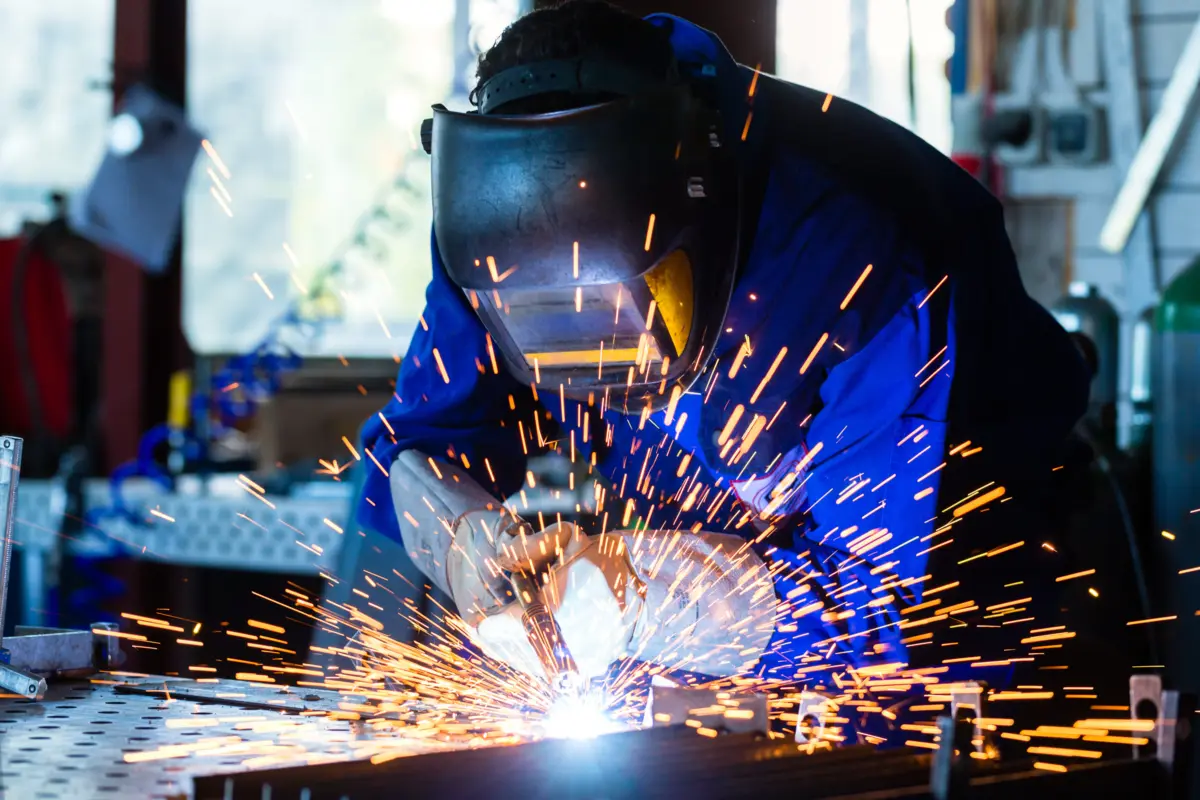
One of the major advantages of 4130 steel is its weldability. Since the carbon content is lower, the risk of cracking during welding is reduced. Manufacturers can produce seamless steel pipe, structural tubing, and custom components with fewer welding complications. This makes 4130 an excellent choice for industries where precision fabrication is critical.
4140 steel excels in high-strength industrial environments where surface hardness and abrasion resistance are essential. The alloy responds extremely well to quenching and tempering processes, allowing it to achieve exceptional hardness and mechanical stability. Components manufactured from 4140 steel can handle high torque loads, repeated impact, and harsh operating conditions without losing structural performance.
Another major difference between 4130 and 4140 steel is wear resistance. 4140 steel performs better in applications involving friction, pressure, and continuous mechanical movement. This is why manufacturers commonly use it for gears, shafts, heavy-duty fasteners, and industrial tooling systems.
Fatigue resistance is also an important consideration in the 4130 vs 4140 steel debate. Both materials resist repeated stress cycles effectively, but 4140 generally offers better long-term durability under extreme industrial loads. However, for projects prioritizing lightweight performance and easier fabrication, 4130 remains the preferred option.
Industrial Applications and Manufacturing Uses
The industrial applications of 4130 vs 4140 steel vary according to performance requirements, environmental conditions, and manufacturing processes. While both materials belong to the same alloy steel category, their distinct mechanical characteristics make them suitable for different engineering tasks.
4130 steel is heavily used in aerospace engineering because of its excellent strength-to-weight ratio. Aircraft manufacturers depend on 4130 seamless steel tubing for fuselage structures, landing gear components, and aircraft frames. The automotive racing industry also uses 4130 chromoly steel for roll cages, suspension parts, and race car chassis because it combines strength with reduced overall vehicle weight.
The material is also popular in construction and industrial fabrication projects where moderate hardness and superior weldability are necessary. Structural tubing, pressure vessels, and lightweight mechanical components often utilize 4130 alloy steel because it delivers dependable performance without excessive weight.
4140 steel is commonly associated with high-load industrial machinery and manufacturing systems. Industries such as mining, oil and gas, heavy equipment production, and power generation rely on 4140 steel for critical components exposed to intense stress and wear. Industrial shafts, hydraulic tools, gears, drill collars, and machine spindles frequently use this alloy because of its outstanding hardness and impact resistance.
In machining operations, 4140 steel offers excellent dimensional stability and long service life. However, because of its higher hardness, machining can become more difficult after heat treatment. In comparison, 4130 steel is easier to machine and shape, especially in custom fabrication environments.
Cost considerations also influence material selection. In many manufacturing projects, 4130 steel may be slightly more economical due to easier processing and reduced heat-treatment demands. However, 4140 steel often provides greater long-term value in high-wear industrial environments because of its enhanced durability and resistance to mechanical failure.
The decision between 4130 vs 4140 ultimately depends on whether the application requires lightweight structural performance or maximum hardness and industrial strength. Both materials continue to serve as essential engineering alloys across global manufacturing sectors.
Conclusion
The comparison of 4130 vs 4140 steel highlights two highly reliable alloy steels designed for different industrial priorities. 4130 steel is recognized for its excellent weldability, lightweight properties, and balanced mechanical strength, making it ideal for aerospace structures, automotive racing components, and seamless steel pipe fabrication. Its flexibility and ease of manufacturing make it one of the most versatile chromoly steels available today.
4140 steel, on the other hand, delivers superior hardness, wear resistance, and high-load performance for demanding industrial applications. Its ability to withstand extreme stress and abrasion makes it the preferred material for gears, shafts, heavy equipment, and power transmission systems.
43.242.177.201
shell
ผู้เยี่ยมชม
benducket3211@gmail.com